 Sales:
 Support:
 Contact Us
 Staff & Client Login

 Get A Quote

Commercial Access Control Systems
Paxton Gold Accredited | NSI Gold Installations | Single & Multi-Site | UK-Wide
- Smartphone App & QR Code Access Alongside Badges, Fobs And Biometrics
- Credentials Managed From One Place, Instead Of Tracking Physical Keys
- Free, No-Obligation Quote For Systems Designed Around Your Site
Request A Quote
Facilities Management Trusted By


























































































Commercial Access Control Built Around Your Site
Commercial access control systems help you control and regulate who can enter your building, or where they can go once inside, without getting in the way of the people who are allowed to be there. A commercial access control system uses digital credentials, electromagnetic locks or mobile credentials to keep out unwanted access. That reduces security risks by making sure only authorised personnel can get in and potentially reach sensitive data.
We design and install access control systems around your site and your security requirements, with expert options and sophisticated security technology as standard. Our Paxton Gold-accredited packages come with professional installation by expert, trained engineers. Your commercial door access control can range from traditional ID badges and fobs to high-tech biometric scanning and facial recognition.
Timestamped Audit Trails For Every Entry Point
When something goes wrong on your site, you need a record of who was around. Commercial access control systems log every entry and exit with accurate timestamps and identification, so your access logs give you the records you need to investigate security breaches. Because commercial access controls connect multiple entry points to a central, cloud-based system, that audit trail covers every connected door, not just your front entrance.
You also get data on your smartphone through mobile apps. For real-time monitoring, mobile dashboards give managers and system administrators live visitor logs, compliance checks and evacuation reporting. Staff and visitors can use their smartphones instead of physical credentials such as badges or fobs, with QR code or app support for touchless mobile access control.

Role-Based Permissions For Each Room And Zone
Not everyone needs to be able to get into every room in your building. Role-based access control systems let you grant access levels by role or restrict access to high security areas, for example:
- High-risk areas: production lines and laboratories limited to the staff who work there.
- Sensitive information: server rooms and records rooms restricted to the right clearance level.
- Staff-only areas: kept off-limits to visitors and members of the public.
- Tenants and visitors: given only the access they need, with AI-assisted check-in through visitor management.
Because permissions are set by role, you know exactly who is able to access the different parts of your building. Granting access by role also means authorised personnel move around your site easily, while visitors stay where they should be.
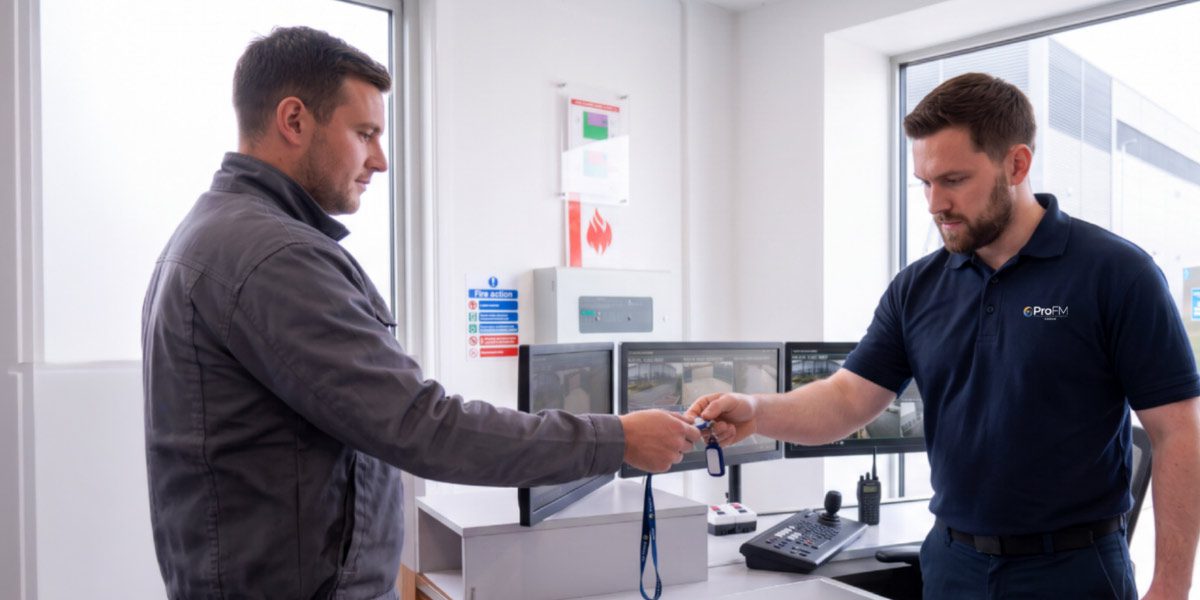
One Place To Manage Access Across Multiple Locations
With building access control systems, your system administrator can manage access control credentials for single sites, or across multiple, from one place instead of tracking physical keys. Each site’s doors connect to the same central, cloud-based system, so access permissions sit in one system rather than at each door.
Scalable access control systems mean no building is too complex, with packages designed for your site rather than a fixed specification. Both mandatory and discretionary access control solutions are available, so sites with stricter clearance rules can set them centrally across multiple sites. That’s useful for property management teams running several commercial buildings to different security requirements.
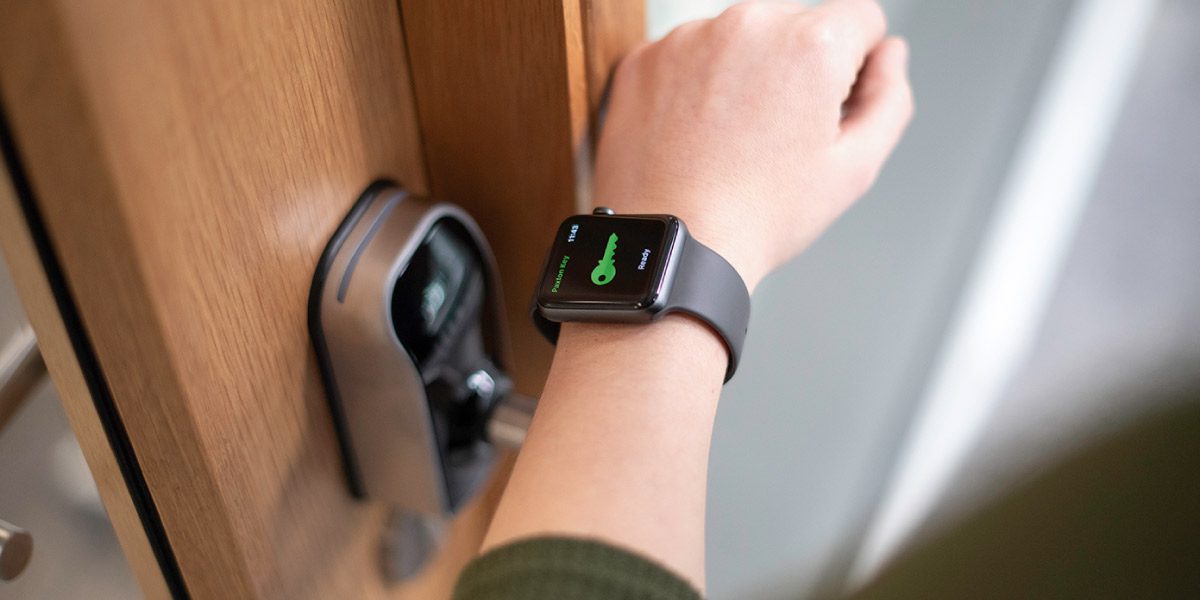
Door Alerts Linked To CCTV, Alarms & Our NOC
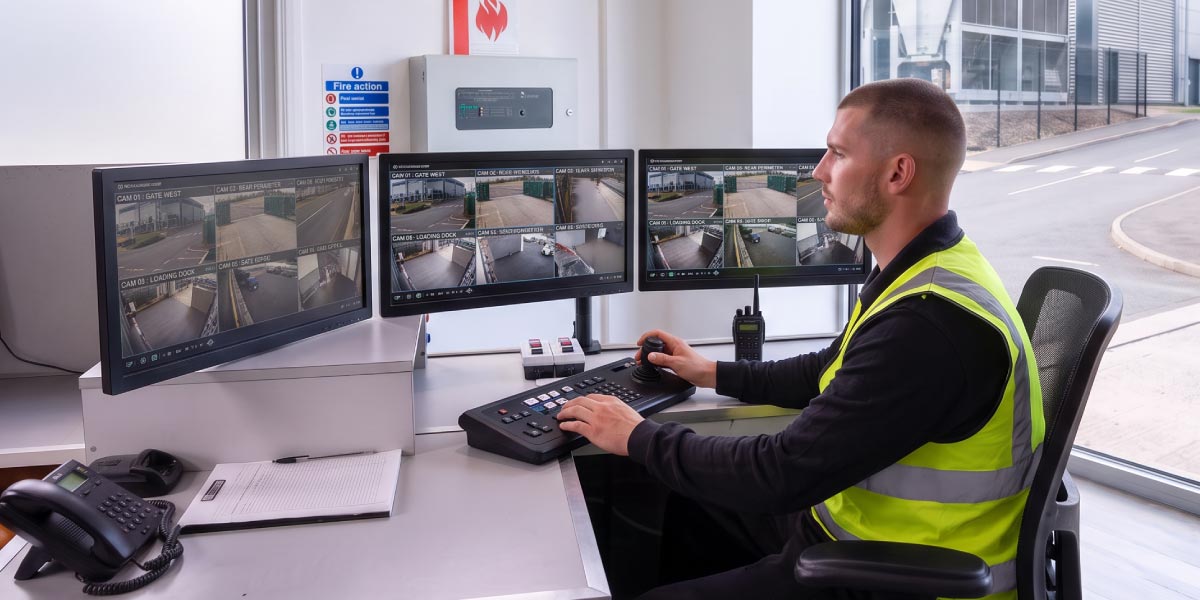
Access control integrates with other security systems, including video surveillance, alarm systems and visitor management systems, so you have a full picture of what’s happening in your building. Any unauthorised attempt to gain access is sent as an alert to our National Operations Centre (NOC), which can then investigate.
We deploy SIA-licensed officers, issue live audio warnings and contact emergency services when needed. Linked CCTV cameras add a visual deterrent against vandalism, theft and other crime. In a security incident, access control systems also let you immediately lock down parts of your building, or your whole building, to limit security threats.
What Our Commercial Access Control Systems Include
Every office access control package is built from the controls your site needs, including:

ID Badges And Card Readers
Traditional ID badges and key fobs, which users present to RFID and card readers.

Biometric Scanning
Fingerprint readers, facial recognition and retinal scans cover areas that need more than a card.

Maglocks And Door Entry
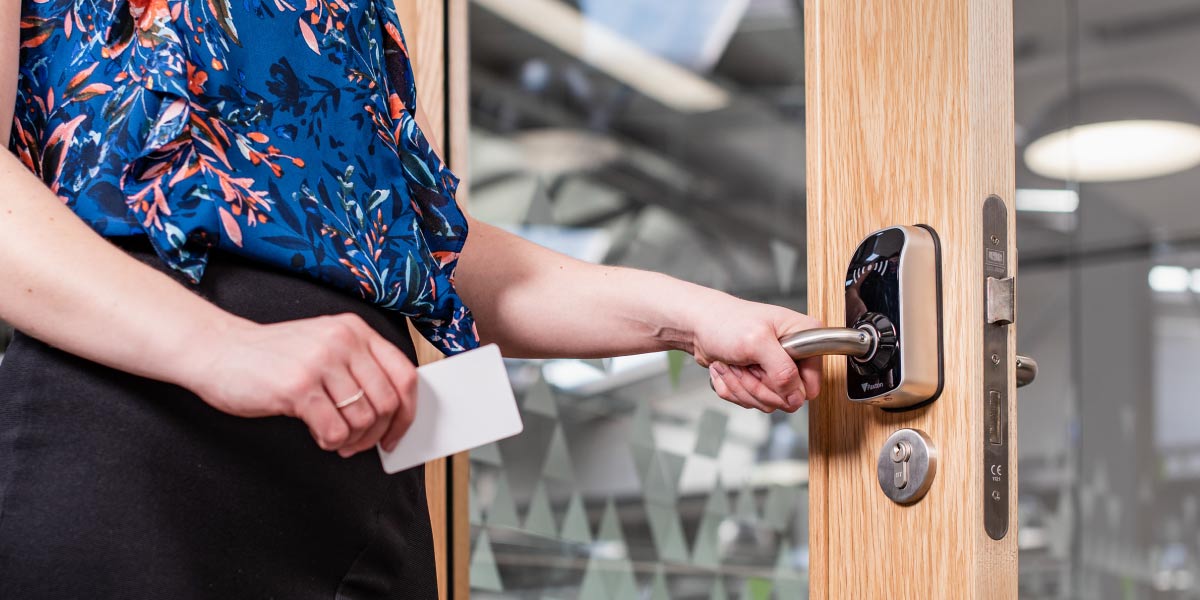
Maglocks, door entry and scannable door handles secure individual offices and rooms.

PIN Codes And Keypads
PIN codes and keypads control doors, gateways and barriers across your site.

Mobile Credentials
Digital and mobile credentials give authorised personnel physical access without a key.

Signing-In Procedures
Signing-in procedures and processes for visitors run alongside your electronic access controls.
Commercial Access Control Systems | ProFM Group
Access control decides who can reach every part of your building, from the front door to staff-only areas, sensitive information and high-risk spaces such as production lines or laboratories. That’s why we install every system to NSI Gold standards, with Paxton Gold-accredited packages that connect as many doors as you need and send unauthorised access alerts to our 24/7/365 National Operations Centre.
Our Clients’ Success Stories
See how our access control systems work in real-life situations from some of our existing customers.

Avery Dennison
A major player in labelling, packaging, and printing solutions, Avery Dennison required a security solution that was as robust and innovative as the brand itself. Since their initial enquiry, we’ve delivered a comprehensive approach to gatehouse security, offering an expert presence that helps control traffic flow, monitors paperwork, and checks driver documentation.
Avery Dennison Case Study
Arena Business Centres
ProFM Group have taken over the CCTV monitoring for 12 of our locations. The team have handled the process smoothly and efficiently, and we are confident that we are in safe hands. There has been consistent communication between us and the National Operations Centre, and they have taken a lot of the pain away from us and our team.
Arena Business Centres Case Study
First Port
Langley Park Resident
Steve is not only professional, organised and totally running the show here, he’s a wonderful human being with a heart of gold. He makes a difference not just in his administration of Langley Park but in the day-to-day nurturing of our community.
First Port Case Study
Flogas
One of the UK’s leaders in the supply of alternative energy solutions, Flogas’ innovation has meant they’re constantly expanding and growing. That naturally necessitated a robust security solution, which is exactly what ProFM Group have delivered for their former National Grid site in the Bristolian suburb of Avonmouth.
Flogas Case Study
Norwich City Council
We appreciate the work ProFM Group has done and thank you for your contribution to the successful management of our emergency provision, through which we were able to provide accommodation and support to these often-vulnerable clients.
Norwich City Council Case StudyPlan Your Access Control With Our Security Experts
If you can't say who still holds a working key to your building, your doors need reviewing. Our expert, trained engineers will design the right access control system around your building.
- SIA Approved Contractor Status
- Cyber Essentials Certified Business
- SIA-Licensed Response Officers
 Get a Free Quote

Why Choose ProFM Group?
When you choose ProFM Group for access control systems, you get:

Tailor-Made Systems
From maglocks to fobs, or door entry to video surveillance, we match your package to your demands, budget and risk profile.

Rapid Response
A rapid response is vital to protecting your site, and our officers respond with an average response time of 30 minutes across the UK.

Round-The-Clock Monitoring
Our NOC is staffed 24/7/365 and uses AI-assisted detection technology to flag potential intruders at the earliest possible moment.

A Full Range Of Security Systems
From static cameras to CCTV towers, VPODs, mobile surveillance and ANPR technology, we offer the right package for your security systems.

UK-Wide Coverage
Whether you need a single door with keycard access or a complex installation for critical national infrastructure, we cover sites across the UK.

NSI Gold Installations
Our installation processes are all certified to NSI Gold standards, which ensures high security levels and helps you meet many insurance requirements.
Discover Our Full Range of Services
Explore a wide range of access control solutions, designed and installed by skilled professionals to enhance security and streamline site entry management.
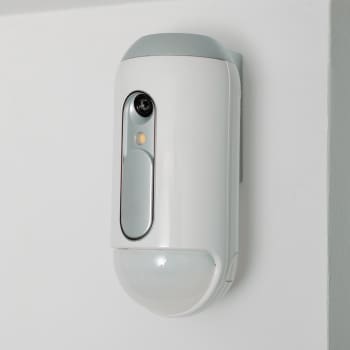
Intruder Alarms
Sophisticated options designed to complement your access controls
View Intruder Alarm Services
Concierge Security Officers
Customer-service-focused security professionals for corporate premises
View Concierge Services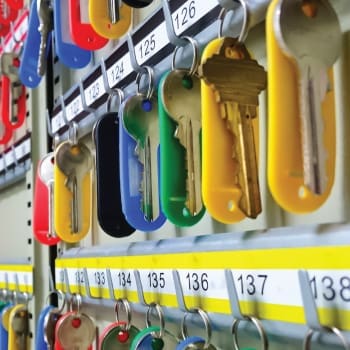
Frequently Asked Questions On Access Control
Explore more information about the solutions we can deliver, or check out our full service catalogue for more options.
Still got a Question?Commercial access control covers the physical and digital measures that control access to your buildings, from card readers to electronic access control systems. It protects sensitive information, off-limits or staff-only areas and high-risk sites. It can connect multiple points of access to one central, cloud-based system instead. They’re usually backed by other security measures, such as security officers or CCTV cameras, which suits office buildings and other commercial buildings.
Access control systems are usually grouped into three types by how they’re built. Standalone access control systems run a single door on their own. Networked building access control systems, either wired or IP-based, connect every door to a central controller, so your site runs as one networked system. Cloud-based access control systems host the software on remote servers, giving you remote access to permissions and mobile credentials from anywhere. Most commercial buildings with more than a handful of doors use networked or cloud-based building access control systems, because standalone locks can’t produce a site-wide record.
The five models most used are discretionary, mandatory, role-based, attribute-based and rule-based access control. Discretionary access control lets you decide who gets in. Mandatory access control sets clearance levels centrally to restrict access, (it’s mostly found in government and defence buildings). Role-based access control grants permissions by job role, while attribute-based and rule-based models add conditions like time of day, location or user type. For building access control systems, role-based permissions cover most security requirements and are the simplest to manage as staff join and leave.
There isn’t a single best system, because the right setup depends on what you’re protecting and when your building is empty. Modern systems integrate, so security access control systems control access during the day, intrusion detection systems cover your building after hours, and cameras give you evidence for both. We design our options around your site, so the security measures you get match your risk rather than off-the-shelf access control solutions.
They should, wherever the door sits on an escape route. On commercial door access control, magnetic locks are normally fail-safe, so they release when power is cut. Doors on escape routes should also be linked to the fire alarm, so they unlock when it activates. BS 7273-4 sets out how that link should be designed, installed and maintained in commercial buildings, and each door is risk assessed to decide how it should release. A green break-glass unit beside the door gives people a manual way out if the automatic release fails, so check both are in place before the system goes live.
We can connect as many access points, doors or entryways as you need to one centralised access control system. Most businesses choose to connect their main doors and any sensitive areas, then decide which internal doors are worth adding. We’ll work alongside you to create the right system for your premises, whether that’s one entrance or every door on a multi-building site. Smaller installations are welcome too, including office access control for a single room in office buildings. If you’re unsure where to start, the doors that protect staff-only areas and sensitive information are usually the priority.
The cost depends on the number of doors, whether you need multiple credential types, the cabling route and whether the software is cloud-hosted or on-premise. We match each package to your site and its access points, so the price reflects what you need rather than a fixed rate. When you compare quotes, look at the total cost of ownership: hardware, installation, software licences or subscriptions, and maintenance over the life of the system.
Still got a Question? (Contact Us Page)
Talk To Our Team About Access Control



Request A Quote